By Raye Louise
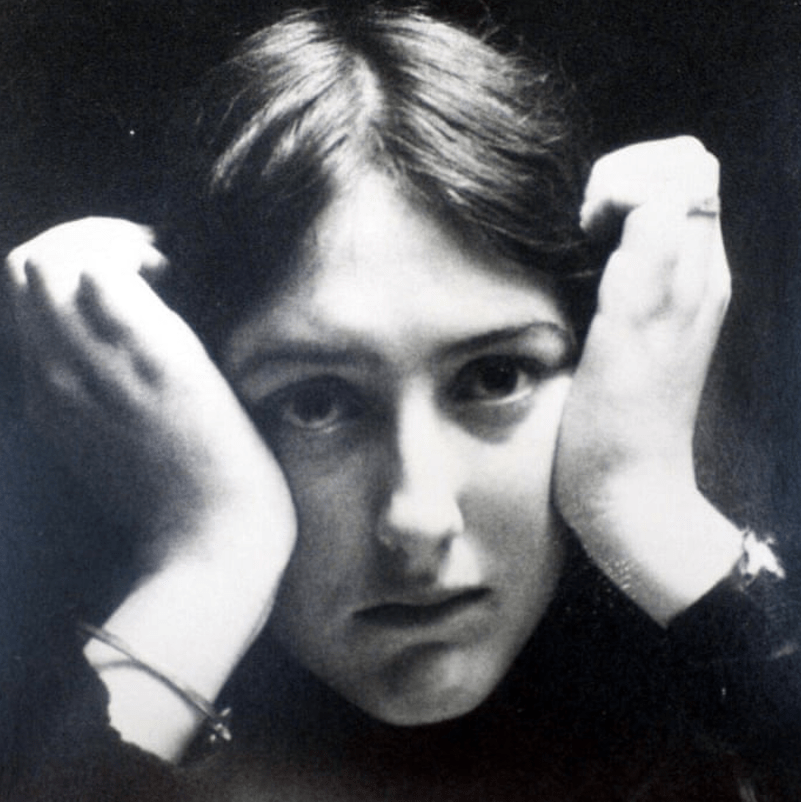
In the academic world, criticism is to be expected. For women, however, the quality of their work or the thesis they present is seldom the focal point of public debate. Media scrutiny often attacks appearance, tone and the apparently indecent approach of the modern feminist, serving to justify the total dismissal of their opinions. Mary Beard, classicist and author, is one of the countless victims of this phenomenon. When she appeared on BBC Question Time in 2013, the reaction online was vicious and immediate. Commenters turned to social media to criticise her authority, appearance, fashion and personality, rather than engage with her arguments. This hostility is shocking, yes, for its aggression, but more significantly for its familiarity. Where a woman speaks in public, she will be scrutinised for her tone and traits that do not fit with the ideological female that male audiences expect to encounter exemplifying authority.
https://www.theguardian.com/news/2018/jan/30/mary-beard-the-cult-of
Ironically, it is exactly this reaction that Beard has spent much of her career examining. In her book, Women & Power: A Manifesto (2017), she attributes the commonplace silencing of women to the foundations of Western society’s culture, through its prevalence in texts as early as the Ancient Greek classics. The backlash received only demonstrates that the problem she identifies persists and remains embedded and largely unconfronted in modern public life.
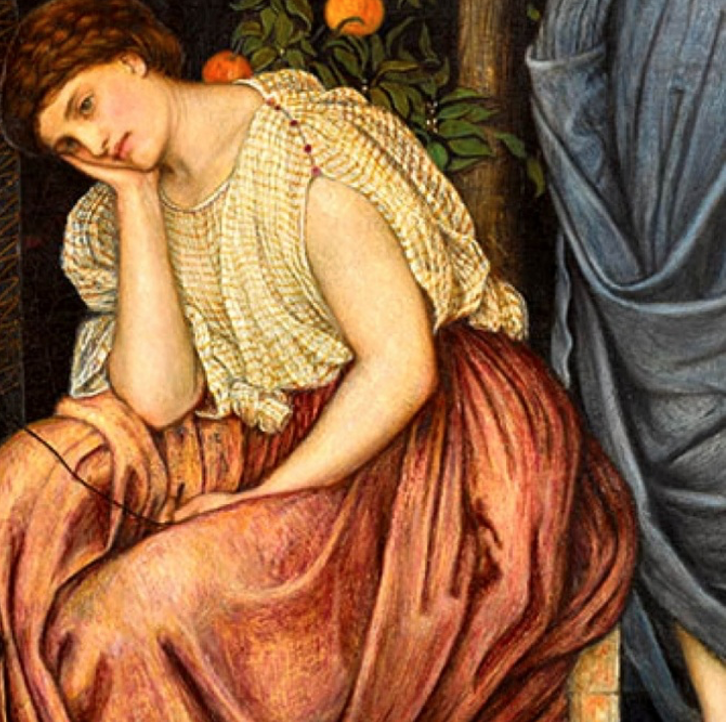
Beard locates the origin of women’s exclusion from participating in public speech by placing its beginning in the ancient world. She refers, in Women & Power: A Manifesto, to a moment in the Odyssey that provides one of the earliest literary examples of a woman’s voice being silenced by a man. In Book One, Penelope enters from her bedchamber to ask that a bard stop singing a song that was causing her some distress. Telemachus, her young son, interrupts her and tells her to go back upstairs and states plainly that “speech will be the business for men”. Beard argues that this is not an incidental moment hidden within a scene, but instead a prime example of a foundational societal assumption: that the right to public speech and audience belongs solely to men and that women should stay remote and controlled. Beard here suggests that classical literature has aided in establishing an “overwhelming male” narrative in which female speech is labelled disruptive and unnecessary when introduced into the public intellectual or political sphere.
https://commons.wikimedia.org/wiki/File:John_Roddam_Spencer_Stanhope_Penelope.jpg
“The vitriol that women face online is not simply disagreement. It is an attempt to silence,” Beard writes. Any time a woman chooses to speak, to be seen and heard simultaneously, she must steel herself against the often insulting criticism of others. Beard herself responded to one public critic, whose articles in the papers tore apart her physicality, by stating unashamedly, “Maybe you’re a bit frightened of a woman who knows more than you do”. She then goes on to explain, in a YouTube interview, how she expected to be met with a great deal of resistance for speaking out against the commenter and standing up for herself, but instead was greeted by many women agreeing with her and relating to her experience. This example of female unity in the face of rage begs the question: in what world is the abuse of women in media so vicious that it becomes a story of familiarity? Instead, shouldn’t we focus on the great strength of women for holding a united front and building a nurturing community from the rubble of this hatred?
Recently, women in politics, television, academia and almost every public-facing field, confront scrutiny designed to dismiss them in a way the patriarchy deems justifiable. Whether it’s Greta Thunberg, Megan Markle, Michelle Obama or any other influential or self-assured woman, their voices are diminished by the focus of the critical media landing on their appearance and their tone, not on their argument. Beard quotes, “it is striking how quickly criticism of women in public turns to their bodies, their voices, and their appearance.” The natural response to this attack on intelligence based on autonomy is anger, surely, however the depth of the issue extends here to compromise emotional display. If a woman should dare to react, in any means other than submission, she will be labelled volatile, shrill, aggressive, and unladylike. The dismantling of the female rationality here suggests a desire to not only police the topic of a woman’s speech, but her tone when doing so. Tone-policing—the concept of needing to be quieter and more passive with your feminism—serves to clear the few surviving voices after the initial insult epidemic.
The attitude that acting with passion or speaking with force or anger in response to misogyny makes a woman volatile is dangerous to the goal of equality that so many of us are striving towards. This notion relates directly to an ancient Greek fear of the womb then called the ‘hustera’—recognisable today as the etymological origin of the word ‘hysteria’. I would argue that the idea of the female anatomy defaulting to hysterics finds its origin in the Hippocratic concept of the ‘wandering womb’. Hippocrates conjectured that a cause of emotional display in women could be a relocation of their womb within their body, causing them to be physically anomalous. The cure was medical intervention using fragrance to entice the womb back to its position, or further intimacy in the woman’s marriage as the female was assumed to have not been offering enough sexual intercourse to her partner. This theorising of female anatomy, strategically espoused by men, has become purposeful in its continuation into modern society. Critical media uses this perceived flaw in design to ignite us, then to dismiss us in our fire.

https://radicalreads.com/mary-beard-favorite-books/
In her analyses of the Odyssey, Beard highlighted an issue that the media instantly proved for her. Where she speaks, she will be insulted. The first line of defence for the media is to attack the appearance of the woman speaking. Tone-policing and the dismissal of justified female rage seeks to fully stifle the voices of any authoritative, confident woman and aid the mission of misogynistic online critics—to silence the feminine voice in the public sphere through the dismantling of her cadence and her autonomy.
Further Reading
Beard, Mary. (2013) Confronting the Classics: Traditions, Adventures and Innovations. London: Profile Books.
Beard, Mary. (2017) Women & Power: A Manifesto. London: Profile Books.
Green, Peter (trans.) (2018) The Odyssey, Homer. Oakland, CA: University of California Press.
Rickman, Dina. (2013) ‘Why do Brits have a problem with clever women?’, The Week, 31 January. Available at: https://theweek.com/uk-news/51175/mary-beard-clever-women-britain (Accessed: 8 March 2026).


